
Home › Spring Basement Flooding Checklist
Spring is the highest-risk season for Fort Wayne basement flooding, combining snowmelt, heavy rain, and clay soil that’s often already saturated from winter. A quick checklist before the season ramps up can catch problems before they turn into a flooded basement.
Check Your Sump Pump
Test the pump by pouring water into the pit and confirming it activates, moves water, and shuts off properly. Check the discharge line for clogs or damage from winter freezing, and consider a battery backup if you don’t already have one — spring storms are a common cause of the power outages that leave an unprotected pump unable to run.
Check Grading and Downspouts
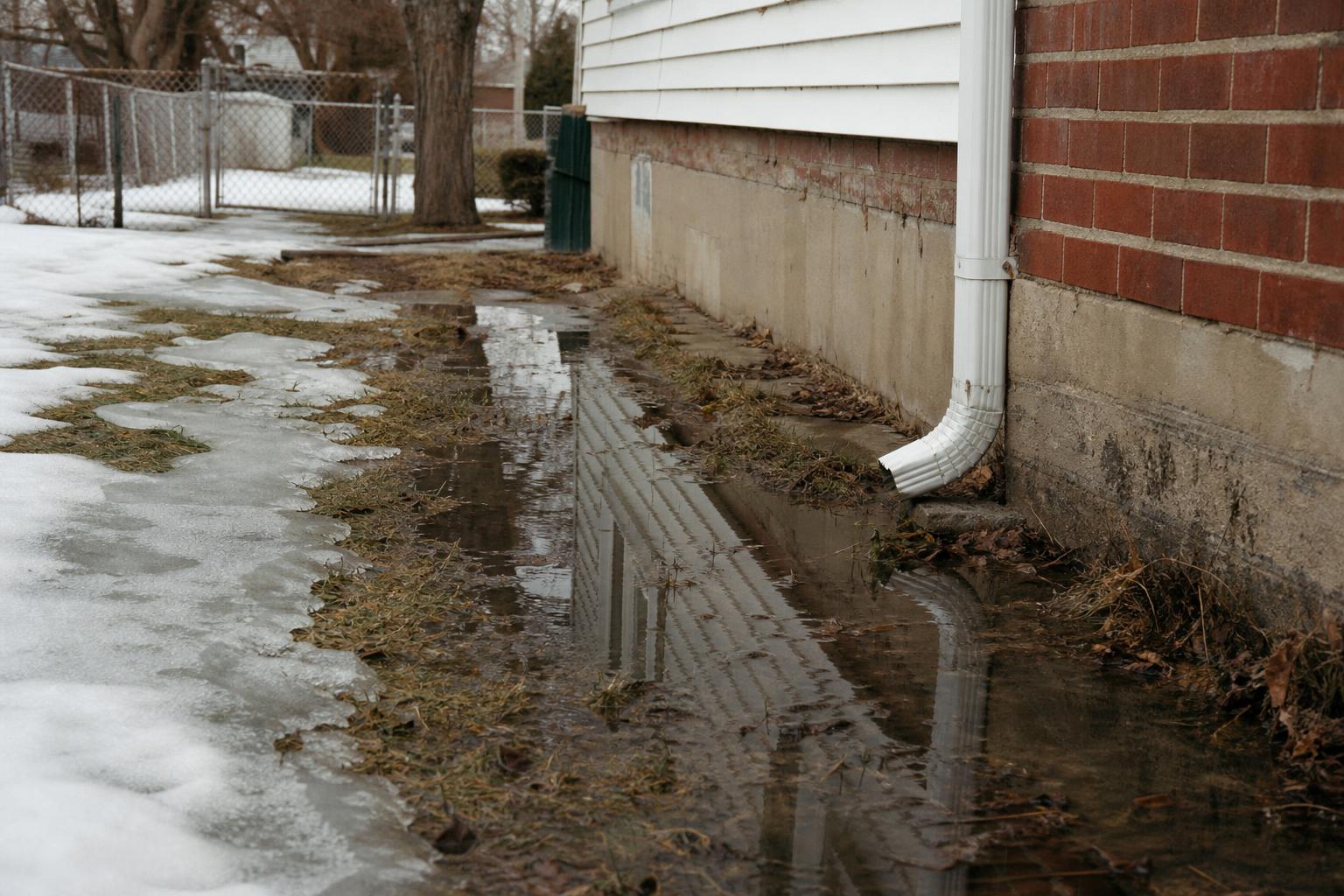
Walk the perimeter of your house and confirm downspouts extend several feet away from the foundation rather than dumping water right at the base of the house. Look for any low spots near the foundation where snowmelt or rain might be pooling instead of draining away, especially if winter freeze-thaw cycles have shifted the soil.
Inspect the Basement Itself
Look at foundation walls for new or widening cracks, efflorescence, or damp patches that weren’t there in fall. Check the cove joint where the wall meets the floor for any staining, and clear out the area around the sump pit so nothing is blocking it if it needs to run heavily during a wet stretch.
Know Your Plan Before You Need It
If your basement has flooded before or you’re seeing warning signs, it’s better to address the cause before spring’s heaviest rain rather than during it. A basement waterproofing assessment now means you’re not scrambling for emergency help during the storm that’s actually testing your system.
Your Spring Basement Flood Checklist, Week by Week
In late winter, before the first real thaw, check the sump pump and clear any debris from gutters that accumulated over winter. As temperatures start climbing and snow begins melting, watch the yard for how water is actually moving and whether any area near the foundation is collecting more than it should. Once spring rains are in full swing, do a final basement walk-through checking for any new dampness, and keep an eye on how the sump pump is cycling during the heaviest rain events. That timing is the backbone of any spring basement flooding checklist worth following.
What to Do If You Find a Problem During the Checklist
If your spring checklist turns up a real concern — a pump that failed the test, a foundation crack that wasn’t there before, or grading that’s clearly sending water toward the house — it’s worth addressing before the wettest part of the season rather than after. An assessment scheduled proactively gives you more options and less urgency than one scheduled during an active flood.
Preparing an Emergency Kit Before Spring Arrives
Beyond checking your systems, it’s worth assembling a small emergency kit ahead of the wettest season: a wet vac or shop vac if you don’t already have one, a battery-powered flashlight in case a storm knocks out power, a list of emergency contacts including a waterproofing company you trust, and copies of your insurance policy information in a place you can find quickly. None of this prevents flooding on its own, but having it ready before you need it means less scrambling and faster response if something does go wrong during a spring storm, which matters since faster response generally means less damage.
Coordinating Checklist Timing With Fort Wayne's Typical Spring Pattern
Fort Wayne’s spring flood risk typically peaks with the combination of late-winter snowmelt and the first sustained rainy stretches, usually landing somewhere in the March through May window depending on the year’s specific weather pattern. Completing your checklist in late February or early March, before that typical peak, gives you a meaningful head start rather than trying to catch up once the wettest weeks are already underway. If you’re not sure exactly when to start, watching the extended forecast for the first sustained thaw is a reasonable trigger to begin your walk-through.
Why an Annual Habit Beats a One-Time Check
The real value of a checklist like this comes from repeating it every year rather than treating it as a one-time task — conditions change, pumps age, grading shifts slightly over time, and a system that passed last spring’s check isn’t guaranteed to still be in the same condition this year. Building it into an annual routine, the same way you might replace smoke detector batteries on a schedule, keeps you ahead of problems rather than reacting to them. Drew Dryer is also available for a professional check on the same schedule if you’d rather have a second set of eyes.
Getting Help With Any Item on This Checklist
If any part of this checklist turns up something you’re not sure how to address — a pump that failed the test, a crack you weren’t expecting, grading that looks off — Drew Dryer is happy to help with any single item or the whole picture. Call (260) 305-1147 or reach out before spring’s heaviest rain arrives.
One more habit worth adding: after any spring storm that tests your system, take five minutes to note how everything performed while it is fresh in your mind, rather than waiting until next year to remember. That habit alone catches more developing problems than any single annual check. Add that single step to your spring basement flooding checklist and you’ll catch most problems early.
Get Help With Your Basement
Want your basement checked before spring’s heaviest rain hits? Drew Dryer can walk it with you now. Call (260) 305-1147 or reach out here. He can help you finish your spring basement flooding checklist with confidence.
More guides
About the author
Drew Dryer, Owner
Drew Dryer owns and runs Dryer Basement Waterproofing Fort Wayne. He has 10 years of experience waterproofing basements in the Fort Wayne area, and started the business to work directly with homeowners rather than through a sales layer.
Last updated: September 30, 2026
Leave a Reply