Blog

  • Is Basement Waterproofing Worth It?

    Is Basement Waterproofing Worth It?

    Home › Is Basement Waterproofing Worth It?

    For a basement with recurring water, basement waterproofing is generally worth it — the cost of a proper fix is typically less than the ongoing cost of repeated water damage, mold remediation, and continued pressure on an aging foundation. For a one-time, minor event, a smaller fix may be all you need.

    Is Basement Waterproofing Worth It? Weighing the Cost Against the Alternative

    The real comparison isn’t waterproofing versus doing nothing for free — it’s waterproofing versus the ongoing cost of dealing with recurring water: damaged flooring or belongings, drywall replacement, mold remediation, and the stress of checking the basement every time it rains hard. Once you factor in what repeated water damage actually costs over a few years, a proper fix often comes out ahead.

    It Depends on What's Actually Wrong

    Worth it doesn’t mean everyone needs the biggest system available — a basement with a surface water issue might be fully solved by correcting grading and downspouts, which costs far less than a full interior or exterior system. The value of waterproofing comes from matching the fix to the actual cause, not defaulting to the most expensive option.

    Protecting the Value of Your Home

    A basement with a known, unaddressed water history can affect a home’s resale value and complicate a future sale, since buyers and inspectors increasingly ask about it directly. Addressing a real water problem, and being able to describe what was done to fix it, is generally an asset when it’s time to sell, rather than a hidden issue a future buyer discovers.

    When It Might Not Be Worth It Yet

    If you’ve had one unusual, isolated event — an exceptionally heavy storm that overwhelmed everyone’s basement in the area, for instance — and no other signs of a recurring problem, it may be reasonable to monitor rather than invest immediately. The honest answer really does depend on the pattern, which is why an actual assessment matters more than a general rule.

    Common Questions

    Is it worth it to waterproof a basement?

    For most homeowners dealing with recurring water, yes — the cost of a targeted fix is almost always less than the cost of repeated water damage, mold remediation, or continued pressure on a foundation that doesn’t need to keep taking it. That’s the practical version of is basement waterproofing worth it for most Fort Wayne homes with recurring water.

    What is the best time of year to waterproof?

    Interior work can generally be done any time of year, while exterior excavation work is easier to schedule outside of frozen or saturated winter ground — an active leak shouldn’t wait for a particular season regardless.

    Comparing the Investment to Other Home Improvements

    Unlike many home improvements that are primarily about appearance or convenience, basement waterproofing protects the structure and usability of a significant part of your home, along with anything stored or finished down there. It’s less visible than a kitchen remodel, which sometimes makes it easy to deprioritize, but the practical value — a dry, usable, mold-free basement — tends to matter more day-to-day than homeowners initially expect once it’s done.

    Getting a Clear-Eyed Answer for Your Specific Situation

    The most useful next step, rather than continuing to weigh it in the abstract, is getting a specific answer for your basement: what’s actually causing the water, what it would take to fix, and what it would cost. Drew Dryer can walk you through exactly that, so “is it worth it” becomes a concrete decision based on your situation rather than a general question. Call (260) 305-1147 or reach out to get started.

    Considering the Non-Financial Value of a Dry Basement

    Beyond the financial comparison, there’s real value in simply not worrying every time it rains hard — not checking the basement anxiously during a storm, not planning around the possibility of water damage when deciding what to store downstairs, and being able to actually use a finished or semi-finished basement space without hesitation. This kind of peace of mind is harder to put a specific dollar figure on than avoided repair costs, but for a lot of homeowners, it’s a meaningful part of why the investment feels worthwhile once it’s done, beyond the purely financial calculation.

    How This Decision Differs for Homes You Plan to Sell Soon vs. Long-Term

    If you’re planning to sell your home in the near future, the calculation shifts slightly toward how the investment affects marketability and buyer confidence rather than purely your own long-term use of the space. If you’re planning to stay long-term, the calculation weighs more heavily on your own daily experience and avoided future costs. Either way, Drew Dryer can help you think through which framing applies to your situation as part of an honest assessment conversation.

    A Final, Practical Way to Frame the Decision

    If you’re still weighing this decision, a practical approach is to get the actual facts for your basement first — the cause, the scope, and the real cost — and then make the worth-it calculation based on specifics rather than the general question. Most homeowners find that once they know the actual number and the actual cause, the decision becomes much clearer than it seemed while still in the abstract. Drew Dryer can get you those specifics with a straightforward walk-through, no obligation attached.

    Get Help With Your Basement

    Not sure if waterproofing is worth it for your specific basement? Drew Dryer will give you an honest read after seeing it. Call (260) 305-1147 or reach out here. That’s really the heart of is basement waterproofing worth it for your specific basement, and it’s worth getting a real answer instead of guessing.

    More guides

    About the author

    Drew Dryer, Owner

    Drew Dryer owns and runs Dryer Basement Waterproofing Fort Wayne. He has 10 years of experience waterproofing basements in the Fort Wayne area, and started the business to work directly with homeowners rather than through a sales layer.

    More about Drew Dryer

    Last updated: September 30, 2026

  • Can You Waterproof a Finished Basement

    Can You Waterproof a Finished Basement

    Home › Can You Waterproof a Finished Basement

    Can you waterproof a finished basement? Yes — most commonly with interior drain tile installed along the perimeter, though it does mean removing and later restoring a strip of flooring and possibly some framing near the affected walls.

    Can You Waterproof a Finished Basement? What Changes

    In an unfinished basement, installing drain tile is straightforward since there’s nothing covering the concrete floor or framing near the walls. In a finished basement, we need to remove flooring, baseboard, and sometimes a section of drywall or framing along the section being worked on, then restore it once the system is installed. This adds some cost and time but doesn’t change what the waterproofing itself accomplishes.

    Planning the Work to Minimize Disruption

    Because finished basements have more to protect and more to put back together, we plan the work carefully — working section by section rather than opening the whole basement at once when possible, and being upfront about exactly what will need to come out and go back. Interior drain tile can often be done without disturbing finished areas that aren’t directly along the affected wall.

    When Exterior Work Is the Better Option

    If a finished basement has extensive built-ins or finishing you’d rather not disturb at all, exterior waterproofing avoids the interior disruption entirely by addressing the wall from outside instead — though it costs more due to excavation and only makes sense when the wall itself needs that level of attention.

    What to Expect for Restoration

    After the waterproofing system is installed, we restore the floor covering, baseboard, and any disturbed framing or drywall to as close to its original condition as reasonably possible. We’ll walk you through exactly what that restoration will involve before starting, so there are no surprises about what your finished space will look like afterward.

    Common Questions

    Can you waterproof a basement that is already finished?

    Yes — interior drain tile can be installed along the perimeter of a finished basement, though it involves removing and later restoring flooring and sometimes framing near the affected walls; we’ll explain exactly what that looks like for your specific layout before starting.

    Protecting Belongings During the Work

    Before work begins in a finished basement, we’ll talk through what needs to be moved away from the work area and for how long, since dust and the physical process of removing flooring and framing do require some clearance. For most homeowners, this means temporarily relocating furniture and stored items in the affected room rather than clearing the entire basement, since we work section by section along the specific wall or area that needs drain tile.

    Matching Flooring and Finishes During Restoration

    When we restore a finished area after installing drain tile, we do our best to match existing flooring and trim, though for some flooring types — certain tile or specialty flooring, for example — an exact match isn’t always possible with materials available at the time of repair. We’ll talk through this honestly before starting, so you know what to expect rather than being surprised during restoration. We plan the work to minimize this wherever we reasonably can.

    Alternatives If You Want to Avoid Any Interior Disruption

    For homeowners who specifically want to avoid disturbing finished space at all, even for a section along one wall, exterior waterproofing on the affected section is worth discussing as an alternative, since it addresses the wall from outside without touching the interior finish. This isn’t the right fit for every situation — it depends on what’s accessible outside and how the excavation would affect landscaping or hardscaping — but it’s a legitimate option specifically for homeowners prioritizing their finished space over minimizing overall cost.

    Timeline Expectations for a Finished Basement Waterproofing Project

    Because finished basement work involves removing and restoring flooring and sometimes framing, it typically takes longer than the same waterproofing scope in an unfinished space — plan for the restoration phase to add meaningful time beyond the core waterproofing work itself. Drew Dryer will give you a realistic timeline that accounts for both phases before work begins, so you can plan around the disruption accurately rather than being surprised by how long the full project takes from start to finish.

    Insurance and Permitting Considerations for Finished-Space Work

    Waterproofing work in a finished basement sometimes intersects with local permitting requirements, particularly if the work involves any structural elements beyond the drain tile and concrete itself; Drew Dryer handles the practical side of this and will let you know if anything beyond the waterproofing work itself needs to be addressed. It’s also worth checking with your homeowners insurance about any requirements or documentation they’d want for a finished space, particularly if the basement includes higher-value finishes or built-ins.

    Getting a Specific Plan for Your Finished Basement

    Every finished basement is laid out differently, which means the specific plan for waterproofing yours without unnecessary disruption really does depend on seeing your layout in person. Drew Dryer can walk through your space, point out exactly what would need to come out and go back, and give you a written plan and price before anything is scheduled. Call (260) 305-1147 or reach out to get started.

    Get Help With Your Basement

    If your finished basement needs waterproofing, Drew Dryer can explain exactly what the work would involve for your specific layout. Call (260) 305-1147 or reach out here.

    Related service

    More guides

    About the author

    Drew Dryer, Owner

    Drew Dryer owns and runs Dryer Basement Waterproofing Fort Wayne. He has 10 years of experience waterproofing basements in the Fort Wayne area, and started the business to work directly with homeowners rather than through a sales layer.

    More about Drew Dryer

    Last updated: September 30, 2026
  • Why Is My Basement Wet After Rain With a Sump Pump

    Why Is My Basement Wet After Rain With a Sump Pump

    Home › Why Is My Basement Wet After Rain With a Sump Pump

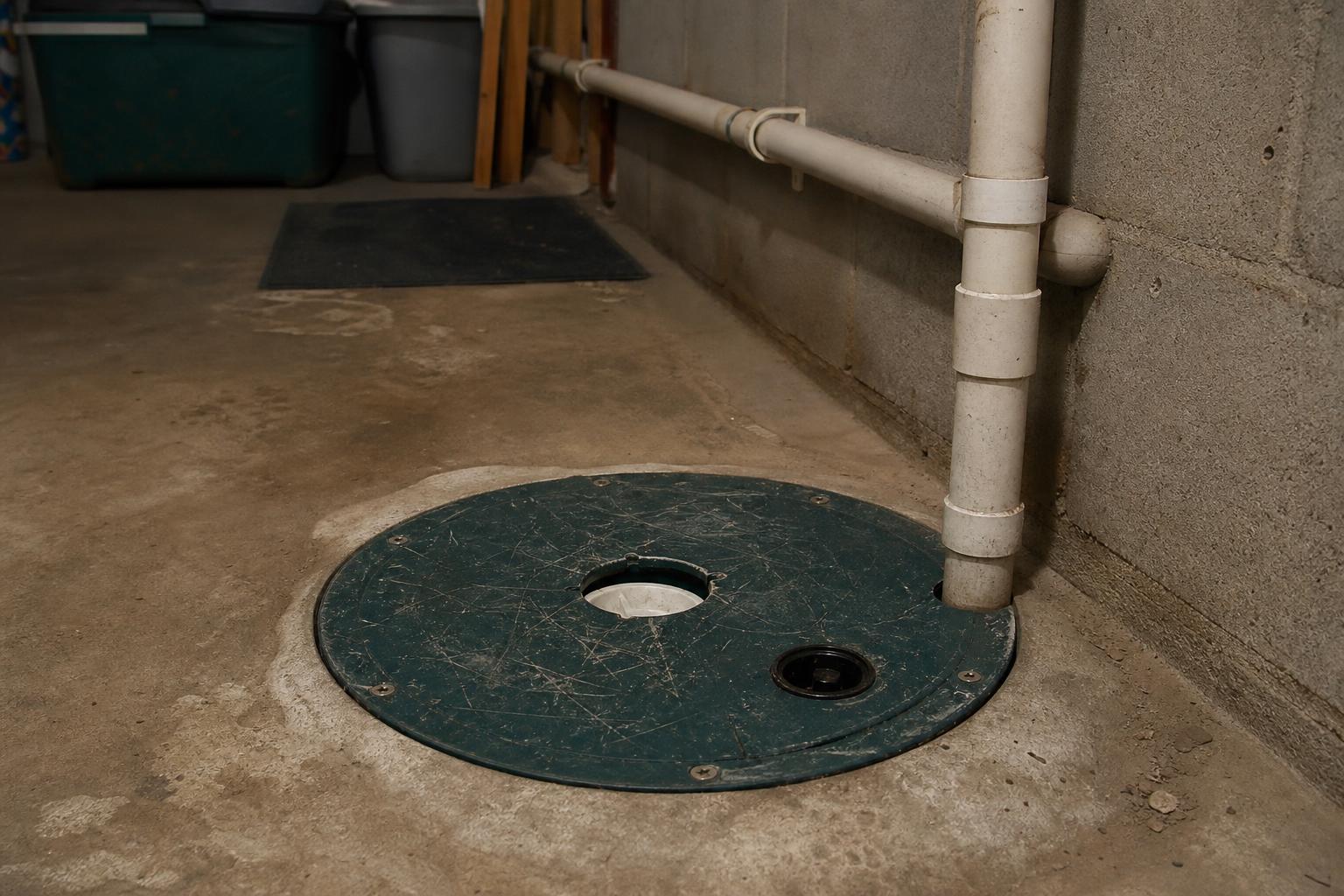
    Why is my basement wet after rain even with a sump pump running? Usually it means water is entering somewhere the pump and drain tile system aren’t catching — a crack, the cove joint, a window well — or the pump itself is undersized, failing, or was overwhelmed by more water than it could handle.

    Why Is My Basement Wet After Rain Even With a Sump Pump? The Pump Might Not Be the Whole System

    A sump pump only manages water that reaches its pit, usually through drain tile. If your basement doesn’t have drain tile feeding the pump, or if drain tile only covers part of the perimeter, water can still get in through an uncovered section — a crack in an area the drain tile doesn’t reach, the cove joint on a different wall, or a window well with poor drainage.

    The Pump Could Be Undersized or Failing

    Even with a complete drain tile system, a pump that’s undersized for the volume of water your property produces during heavy rain can be overwhelmed and unable to keep the basement dry. An aging pump nearing the end of its working life, a clogged or frozen discharge line, or a stuck float switch can all cause a pump to underperform even though it’s technically running.

    Check for a Specific Entry Point

    If water is showing up in a specific, consistent spot rather than generally throughout the basement, that’s a strong clue there’s a specific entry point the current system isn’t addressing. Tracing that leak to its source — rather than assuming the sump pump alone should be handling everything — is the more direct way to solve it.

    When the System Needs an Upgrade

    If the basement is still taking on water despite a working pump, it may mean the existing drainage system needs to be expanded, the pump needs to be upsized, or additional drain tile is needed to cover a section that was never addressed. An assessment can tell you specifically which of these applies rather than guessing.

    Common Questions

    Is it normal to get water in the basement after heavy rain?

    It’s common in Fort Wayne’s clay soil, but recurring water after rain, even with a sump pump in place, usually points to a specific gap in the drainage system rather than something to just live with.

    Why is my sump pump not working after heavy rain?

    A sump pump can underperform after heavy rain if it’s undersized, the float switch is stuck, the discharge line is clogged or frozen, or the pump is simply reaching the end of its working life.

    Why is my basement flooding even though I have a sump pump?

    A sump pump can be overwhelmed if it’s undersized for the volume of water, if power goes out during the storm, or if water is entering through a path the pump and existing drain tile aren’t set up to catch, like a crack or the cove joint.

    Why does my basement fill with water when it rains?

    This usually means water is either pooling against the foundation due to grading or downspout issues, or finding its way in through a crack, the cove joint, or a window well that your current system isn’t addressing.

    Mapping Where the Water Actually Shows Up

    A useful step before calling anyone is simply noting exactly where the water appears relative to your sump pit — is it near the pit itself, suggesting the pump can’t keep pace, or is it on the opposite side of the basement, suggesting a separate entry point the drain tile doesn’t reach? Photos taken during or right after a rain, showing the specific location and extent of the water, are genuinely useful information for diagnosing the gap accurately.

    Why 'The Pump Is Working Fine' Doesn't Mean the System Is Complete

    It’s easy to assume a working pump means the whole drainage system is sound, but a pump only manages water that reaches it — it has no way to address water entering somewhere the drain tile doesn’t cover. A full drainage assessment looks at the entire system, not just whether the pump itself is functioning, which is the more complete way to explain a basement that’s still wet despite an apparently healthy pump.

    Checking Whether Your Drain Tile Covers the Whole Perimeter

    In some older Fort Wayne homes, interior drain tile was installed at some point covering only part of the basement’s perimeter, either because that’s all that seemed necessary at the time or because it was added incrementally as problems appeared rather than as one complete system. If your basement has drain tile but you’re not sure how much of the perimeter it actually covers, that’s worth clarifying, since a gap in coverage on one wall can easily explain water showing up specifically in that area while the rest of the basement, protected by the existing drain tile, stays dry.

    What an Expanded System Typically Involves

    If an assessment finds that your existing drain tile needs to be extended to cover an additional section of wall, the process is similar to an original installation but limited to the uncovered area — cutting the floor along that specific section, connecting new drain tile into the existing system rather than installing a whole separate setup, and tying it into your current sump pump if it has capacity, or upgrading the pump if it doesn’t. This kind of targeted expansion is often more affordable than people expect, since much of the existing system is simply being extended rather than replaced.

    Get Help With Your Basement

    If your basement still gets wet despite a working sump pump, Drew Dryer can find the gap in the system. Call (260) 305-1147 or reach out here. If you’re still asking why is my basement wet after rain even with a sump pump, that’s exactly what he’ll track down.

    Related service

    More guides

    About the author

    Drew Dryer, Owner

    Drew Dryer owns and runs Dryer Basement Waterproofing Fort Wayne. He has 10 years of experience waterproofing basements in the Fort Wayne area, and started the business to work directly with homeowners rather than through a sales layer.

    More about Drew Dryer

    Last updated: September 30, 2026

  • Why Is My Sump Pump Running Constantly?

    Why Is My Sump Pump Running Constantly?

    Home › Why Is My Sump Pump Running Constantly?

    Why is my sump pump running constantly or when it isn’t raining? Usually it means a consistently high water table, an underground spring, a plumbing leak feeding the pit, or a float switch stuck in the “on” position. It’s worth checking the simplest cause — the float switch — before assuming a bigger problem.

    Why Is My Sump Pump Running Constantly or When It Isn't Raining? Check the Float Switch First

    The float switch tells the pump when to turn on and off based on water level, and if it’s stuck, tangled, or positioned incorrectly, it can keep the pump running even when the pit doesn’t actually need it to. This is the simplest and most common cause of a pump that won’t stop, and it’s worth ruling out before assuming something more serious is going on.

    A Consistently High Water Table

    Some properties, especially those near a natural water source or in an area with generally high groundwater, simply have a water table that stays elevated regardless of recent rain. In that case, constant pump cycling can be normal for that specific property, though it’s worth confirming the pump is sized appropriately for that level of demand rather than being run into the ground.

    A Hidden Water Source

    An underground spring, a nearby leaking pipe, or even a neighbor’s drainage routed toward your property can feed a sump pit independent of rainfall. If a pump is running constantly with no rain and the water table explanation doesn’t seem to fit, it’s worth having the setup assessed to identify exactly what’s feeding the pit.

    What Constant Running Means for the Pump Itself

    Even if a pump is technically handling constant cycling, that pace wears components out faster than normal, intermittent use, meaning a pump running nonstop today may fail sooner than expected. If you’re not sure whether the current pace is sustainable, it’s worth having it checked rather than waiting for it to fail.

    Common Questions

    Is it normal for my sump pump to run every 30 seconds during rain?

    A pump cycling that frequently usually means the pit is too small to hold a reasonable volume between cycles or the pump is undersized for the water reaching it, and while it may keep up, that pace wears a pump out faster than normal cycling.

    Why is my sump pump running when it's not raining?

    This usually points to a stuck float switch, a consistently high water table, an underground spring, or a plumbing leak feeding the pit — checking the float switch is the simplest first step.

    Testing the Float Switch Yourself

    To check the float switch, carefully lift it by hand (with the pump unplugged first, for safety) and see if it moves freely through its full range without catching on the pit wall, a discharge pipe, or debris. If it’s tangled in the power cord or wedged against something, straightening it out and giving it clear range of motion sometimes solves the problem immediately at no cost. If the switch moves freely but the pump still won’t stop, the cause is more likely water-related than mechanical.

    When Constant Running Signals a Bigger Opportunity, Not Just a Problem

    A sump pump running nonstop because of a genuinely high water table isn’t necessarily bad news — it means your system is actively doing its job and keeping the basement dry. The real question is whether the system is built to sustain that pace long-term. An assessment can confirm whether your current pump and pit are appropriately sized for that level of demand, or whether an upgrade would reduce wear and give you more peace of mind.

    Distinguishing a High Water Table From a Plumbing Cross-Connection

    One less common but important cause worth ruling out is a plumbing cross-connection — a situation where a sump pit is inadvertently receiving water from a household plumbing source, like a condensate line from an air conditioner or furnace, rather than purely groundwater. This can look identical to a high water table from the outside, since the pump behaves the same way regardless of the water’s origin, but the fix is completely different: rerouting a misconnected line rather than addressing groundwater or drainage at all. This is one of the reasons a hands-on inspection sometimes reveals a surprisingly simple, inexpensive fix for what looked like a bigger groundwater problem.

    Tracking the Pattern Before You Call

    If you have a few days before you can get someone out, keeping a simple log — noting roughly how often the pump cycles and whether it correlates with rain, time of day, or specific household activity like running the air conditioner — gives Drew Dryer useful information before ever setting foot in your basement. A pattern that clearly tracks with a specific activity, rather than weather, is a strong clue pointing toward something other than a straightforward high water table.

    Balancing Short-Term Relief With a Long-Term Fix

    If a quick float switch adjustment solves the immediate constant-running issue, that’s genuinely good news, but it’s still worth keeping an eye on the pump going forward, since a switch that got tangled once can get tangled again, especially if debris continues entering the pit. If the cause turns out to be a genuinely high water table or a hidden water source, a short-term fix like adjusting the switch won’t resolve the underlying issue, and it’s worth having that properly diagnosed rather than repeatedly resetting the same symptom.

    Get Help With Your Basement

    If your sump pump won’t stop running, Drew Dryer can find out what’s actually feeding it. Call (260) 305-1147 or reach out here. If you’ve been asking why is my sump pump running constantly or when it isn’t raining, that’s exactly the question he’ll answer on-site.

    Related service

    More guides

    About the author

    Drew Dryer, Owner

    Drew Dryer owns and runs Dryer Basement Waterproofing Fort Wayne. He has 10 years of experience waterproofing basements in the Fort Wayne area, and started the business to work directly with homeowners rather than through a sales layer.

    More about Drew Dryer

    Last updated: September 30, 2026

  • Does Insurance Cover Basement Waterproofing or Flooding

    Does Insurance Cover Basement Waterproofing or Flooding

    Home › Does Insurance Cover Basement Waterproofing or Flooding

    Does insurance cover basement waterproofing or flooding? Usually not — most standard homeowners insurance policies exclude gradual water seepage through a foundation, since coverage typically applies to sudden, accidental events like a burst pipe, not slow water intrusion from soil pressure over time.

    Why Gradual Seepage Is Usually Excluded

    Homeowners policies are generally written to cover sudden and accidental damage, not the ongoing effects of maintenance issues or gradual conditions. Water seeping through a foundation crack or cove joint over time is typically treated as a maintenance issue rather than a covered peril, similar to how a policy usually won’t cover a roof that leaks from years of wear rather than sudden storm damage.

    Does Insurance Cover Anything? What Might Actually Be Covered

    A sudden, accidental event — like a pipe bursting and flooding the basement, or storm damage that directly and suddenly breaches the foundation — is more likely to be covered, since that fits the “sudden and accidental” standard most policies use. Flood insurance, which is typically a separate policy from standard homeowners coverage, is the more relevant coverage for water entering from outside due to flooding, though it comes with its own specific terms and exclusions.

    Check Your Specific Policy

    Coverage details vary by insurer and policy, so the only reliable way to know what’s covered is to read your specific policy or call your insurance company directly and ask about basement water and foundation seepage specifically. Don’t assume based on a general answer you found online, including this one — insurance is genuinely policy-specific.

    What This Means for Budgeting the Fix

    Since insurance often doesn’t cover the fix, it’s worth getting an honest, accurate assessment of what your basement actually needs rather than overpaying for more system than necessary. Understanding what drives basement waterproofing cost helps you plan for a repair you’re likely paying for directly.

    Common Questions

    Will insurance pay for basement waterproofing?

    Usually not, since most standard homeowners policies exclude gradual water seepage through a foundation, though a repair tied to a sudden, covered event like a burst pipe might be handled differently — check your specific policy and ask your insurer directly.

    Is water in my basement after rain covered by my insurance?

    It depends on the cause and your specific policy, but water from gradual seepage during normal rain is typically not covered the way a sudden pipe burst would be, so it’s worth reading your policy’s exclusions or calling your insurer to ask directly. That’s basically the practical version of does insurance cover basement waterproofing or flooding for most Fort Wayne homeowners.

    How to Read Your Policy for Relevant Exclusions

    Look specifically for language about “water damage,” “seepage,” “flood,” and “foundation,” since these sections typically spell out what is and isn’t covered regarding basement water. Many policies explicitly exclude damage from “continuous or repeated seepage” — language worth searching for directly if you’re reading a PDF version of your policy. If the language is unclear, calling your insurer and asking them to explain it in plain terms is more reliable than guessing from the document alone.

    What to Do If a Claim Is Denied

    If you file a claim related to basement water and it’s denied, ask your insurer specifically why, since the reason matters for understanding your options — it may be a straightforward exclusion, or there may be room to appeal depending on the exact cause. Either way, addressing the underlying cause going forward protects you regardless of how the insurance question resolves, since future damage from the same unaddressed cause is unlikely to be covered either.

    Sump Pump Failure Endorsements Worth Asking About

    Some insurers offer an optional endorsement specifically covering sump pump failure or water backup, which is separate from standard coverage and typically needs to be added intentionally rather than being included automatically. This kind of endorsement is worth asking about directly, since it can provide coverage for a scenario — your sump pump failing and your basement flooding as a direct result — that standard policies usually exclude as gradual seepage or maintenance-related damage. The cost of adding this kind of endorsement is often modest relative to the protection it can provide, though terms vary significantly by insurer.

    Documenting Your Home's Waterproofing for Future Insurance Purposes

    After any waterproofing work is completed, keeping documentation — the written scope of work, invoices, and any warranty information — serves a purpose beyond your own records. If you ever file a future claim related to your basement, being able to show that professional waterproofing work was done and maintained can support your position, even if the specific claim itself isn’t guaranteed to be covered. It’s also useful documentation to have on hand if you sell the home down the road.

    A Reasonable Approach If You're Budgeting Without Insurance Help

    Since insurance coverage for basement water is often limited, it’s reasonable to budget for waterproofing as a direct home maintenance expense rather than counting on insurance to offset it. Getting a specific, written estimate from Drew Dryer early — even before you’re ready to schedule the work — gives you a real number to plan and save around, rather than an abstract worry about an unknown future cost. Some homeowners also find it useful to prioritize the least expensive effective fix first, like grading correction, before committing to a larger system.

    Get Help With Your Basement

    While you sort out coverage, Drew Dryer can tell you what’s actually causing the water and what a real fix would cost. Call (260) 305-1147 or reach out here. While you sort that out, it’s worth asking directly does insurance cover basement waterproofing or flooding for your specific policy before you budget the fix.

    More guides

    About the author

    Drew Dryer, Owner

    Drew Dryer owns and runs Dryer Basement Waterproofing Fort Wayne. He has 10 years of experience waterproofing basements in the Fort Wayne area, and started the business to work directly with homeowners rather than through a sales layer.

    More about Drew Dryer

    Last updated: September 30, 2026

  • How to Choose a Basement Waterproofing Contractor

    How to Choose a Basement Waterproofing Contractor

    Home › How to Choose a Basement Waterproofing Contractor

    How do you choose a basement waterproofing contractor? It comes down to a few practical checks: are they licensed and insured, do they give you a written assessment and price before work starts, and do they explain what’s actually causing your water problem rather than just quoting a system.

    Ask for a Real Assessment, Not a Phone Quote

    A contractor who’s willing to quote a price over the phone without seeing your basement is guessing, and that guess tends to grow once the crew actually shows up. A real assessment involves someone walking your basement, looking at where and how water is showing up, and explaining what they found before recommending a specific fix and price in writing. That single check is one of the best ways to learn how to choose a basement waterproofing contractor with confidence.

    Watch for High-Pressure Sales Tactics

    Be cautious of a “free inspection” that immediately turns into pressure to sign a contract that same day, especially with urgency tactics like a discount that expires if you don’t decide right then. A contractor confident in their assessment and price should be comfortable giving you time to think it over or get a second opinion.

    Confirm Licensing and Insurance

    Ask directly whether the company is licensed and insured, and don’t be afraid to ask what that covers. A legitimate contractor should be able to answer clearly rather than deflecting the question, since insurance in particular matters if something goes wrong during excavation or interior work near your home’s foundation.

    Be Wary of a One-Size-Fits-All Recommendation

    If every basement a contractor looks at seems to need the same expensive system, that’s worth questioning — a smaller fix like grading or a targeted crack repair is genuinely enough for a lot of basements. An honest waterproofing assessment should include the possibility that your specific basement needs less than the biggest system being sold.

    How to Choose a Basement Waterproofing Contractor: Questions to Ask First

    Ask what specifically caused your basement’s water problem, in plain language you can understand — a contractor who can’t explain the cause clearly may not have actually diagnosed it. Ask what happens if the recommended fix doesn’t fully solve the problem, since a confident, experienced contractor should have a reasonable answer rather than deflecting. Ask for the price in writing before agreeing to anything, and ask what exactly is included, since “waterproofing” can mean very different scopes of work.

    Red Flags Beyond High-Pressure Sales

    Be cautious of a contractor who won’t put anything in writing, who’s vague about licensing or insurance when asked directly, or whose price seems dramatically lower than what the scope of work would reasonably require — sometimes that gap gets made up later with add-ons or corner-cutting. A contractor confident in their work should welcome specific questions rather than rushing you past them. An honest assessment should leave you with clear answers, not more uncertainty.

    Comparing Multiple Quotes the Right Way

    If you get more than one assessment, compare them on more than just the bottom-line price — look at whether each contractor described the same underlying cause, since a real disagreement about diagnosis matters more than a price difference for the same recommended fix. If one contractor recommends a much larger, more expensive system than another for what sounds like the same problem, ask each of them directly why their recommended scope differs; a contractor confident in their diagnosis should be able to explain their reasoning clearly rather than just defending a bigger number.

    The Value of Checking References or Past Work, Realistically

    For a newer or smaller local company, extensive online reviews may not exist yet, which doesn’t automatically mean the work is worse — it can simply reflect a newer business or one that hasn’t pushed hard for review volume. In that situation, asking direct questions about the owner’s background, how they approach an assessment, and what their process looks like from start to finish tells you more than a review count would anyway. Drew Dryer is always glad to walk through exactly how we work before you decide on anything.

    Trusting Your Own Read of the Interaction

    Beyond the specific checklist items, pay attention to how the conversation itself feels — does the contractor answer your questions directly, or do they redirect toward closing the sale? Do they seem genuinely interested in your specific basement, or are they running through a script that would apply to any house? These softer signals are harder to put into a checklist, but they’re often reliable indicators of how the actual work relationship will go. Drew Dryer welcomes exactly this kind of direct, unhurried conversation before you decide on anything.

    What You Can Expect From Us Specifically

    If you’re evaluating us as one of the contractors on your list, here’s what that looks like in practice: Drew Dryer does the assessment personally, gives you a written price before any work starts, and tells you honestly if a smaller fix is enough. We’re state licensed and insured. Call (260) 305-1147 or reach out to see for yourself.

    Ultimately, the right contractor is the one who treats your basement as a specific problem to diagnose, not a generic sale to close. Trust the assessment that explains its reasoning, not just the one with the lowest number on the page.

    Get Help With Your Basement

    When you’re ready for an honest assessment, Drew Dryer will walk your basement and tell you plainly what it needs — nothing more. Call (260) 305-1147 or reach out here. That’s really the whole point of knowing how to choose a basement waterproofing contractor you can trust.

    More guides

    About the author

    Drew Dryer, Owner

    Drew Dryer owns and runs Dryer Basement Waterproofing Fort Wayne. He has 10 years of experience waterproofing basements in the Fort Wayne area, and started the business to work directly with homeowners rather than through a sales layer.

    More about Drew Dryer

    Last updated: September 30, 2026

  • Gutters and Grading: Keeping Basement Water Away

    Gutters and Grading: Keeping Basement Water Away

    Home › Gutters and Grading: Keeping Basement Water Away

    Gutters, downspouts, and yard grading are often the first place to look when a basement takes on water, since a surprising number of wet basements start above ground rather than with the foundation itself. Correcting these is usually the most affordable fix available.

    How Gutters and Downspouts Affect Your Basement

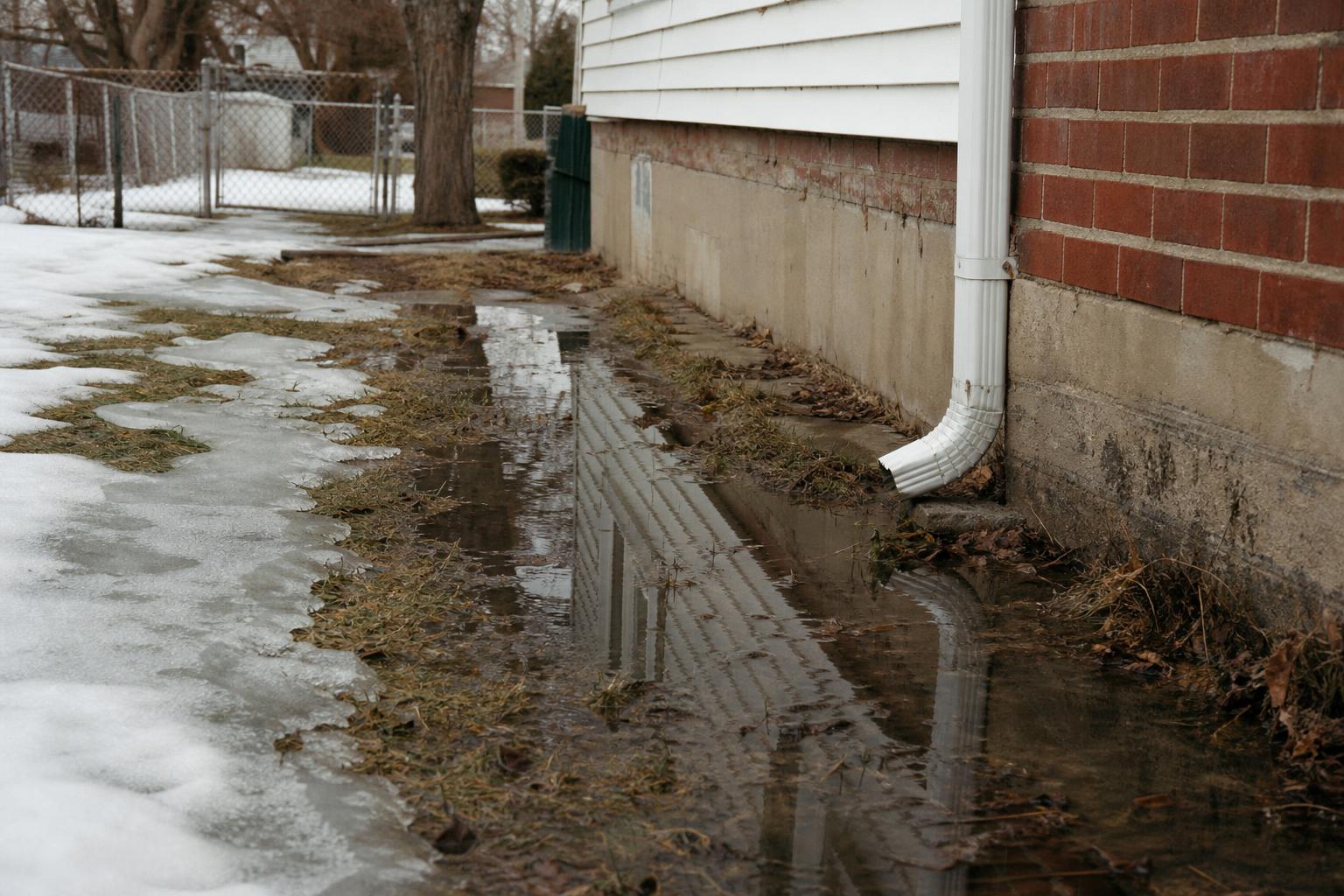
    Gutters collect roof runoff and downspouts carry it away from the house, but if a downspout empties within just a few feet of the foundation, it’s effectively dumping a concentrated stream of water right where you don’t want it. Over time, that repeated saturation right at the foundation adds to the hydrostatic pressure already coming from Fort Wayne’s clay soil, making a basement more likely to leak at a crack or cove joint. Getting gutters and grading basement water issues right above ground is usually the cheapest fix available.

    Why Grading Matters as Much as Gutters

    Yard grading refers to how the ground slopes near your foundation, and it should generally slope away from the house for at least the first several feet. When grading slopes toward the house instead — sometimes from years of soil settling, sometimes from landscaping changes — rainwater runs toward the foundation rather than away from it, regardless of how well your gutters and downspouts are working.

    Simple Fixes That Often Solve the Problem

    Extending downspouts several feet farther from the house, adding splash blocks to disperse water at the outlet, and regrading soil near the foundation so it slopes properly are all relatively affordable fixes compared to interior or exterior waterproofing. For a low spot that grading alone can’t correct, a French drain can redirect water around the problem area.

    When It's Not Enough on Its Own

    Grading and downspout corrections handle surface water effectively, but they won’t stop water that’s already finding its way through a crack or cove joint from sustained pressure below ground. If correcting the yard doesn’t fully solve a recurring basement water problem, that’s usually the sign there’s also an entry point in the foundation itself that needs to be addressed directly.

    Common Grading Mistakes We See

    A frequent issue is landscaping or mulch beds built up right against the foundation over the years, gradually raising the soil level and reversing what was originally correct grading. Another common mistake is a downspout extension that’s been knocked loose, buried under mulch, or simply never installed after construction, quietly undoing what should have been adequate drainage from day one. A patio or walkway installed without accounting for water flow can also redirect runoff straight toward the house instead of away from it. Mistakes like these are behind a surprising share of gutters and grading basement water problems we see.

    How to Check Your Own Grading and Downspouts

    During or right after a rain, walk the perimeter of your house and watch where water is actually going — does it pool near the foundation, or does it visibly run away from the house? Check that each downspout extension is intact and actually carrying water several feet away rather than dumping it at the base of a wall. If you find problems, correcting them is often the single most cost-effective step you can take for a basement showing early signs of water.

    How Landscaping Choices Affect Drainage Over Time

    Landscaping decisions made years after a house is built can quietly undo the original, correct grading without anyone intending it to happen. Raised garden beds built directly against the foundation, mulch applied year after year without removing the old layer first, or a new patio or walkway installed without consulting drainage all gradually change how water moves around your house. None of these choices are inherently bad, but it’s worth being intentional about maintaining a slight slope away from the foundation regardless of what landscaping features you add, since that slope is doing real, if unglamorous, work protecting your basement.

    What We Look for During a Grading and Drainage Assessment

    When assessing yard drainage, we look at more than just whether water is visibly pooling — we check the actual slope near the foundation with a level, trace where downspouts currently discharge, look for signs of erosion or standing water in the yard beyond just the area right next to the house, and ask about the timing and pattern of water problems inside. This full picture gives a more reliable read than checking only the spots where water happens to be visible on the day we visit.

    A Simple Annual Maintenance Routine

    Beyond a one-time correction, gutters and grading benefit from basic annual maintenance: cleaning gutters of leaves and debris at least once or twice a year so they can actually channel water to the downspouts, checking downspout extensions haven’t been knocked loose or buried, and doing a quick visual check of grading after any major landscaping work. This routine maintenance is inexpensive and takes little time, but it protects the value of whatever drainage correction has already been done and catches new issues before they become basement problems.

    When to Call Instead of DIY-ing the Whole Fix

    For a straightforward downspout extension or minor regrading, many homeowners handle it themselves successfully. If the yard is more complicated — a persistent low spot, extensive hardscaping in the way, or drainage tied to a neighboring property — a professional assessment helps make sure the fix actually solves the problem rather than just moving water somewhere else on the property.

    Get Help With Your Basement

    Not sure if your yard is contributing to a wet basement? Drew Dryer can check the grading and downspouts along with the foundation itself. Call (260) 305-1147 or reach out here. He can check the grading and downspouts and settle the gutters and grading basement water question for good.

    Related service

    More guides

    About the author

    Drew Dryer, Owner

    Drew Dryer owns and runs Dryer Basement Waterproofing Fort Wayne. He has 10 years of experience waterproofing basements in the Fort Wayne area, and started the business to work directly with homeowners rather than through a sales layer.

    More about Drew Dryer

    Last updated: September 30, 2026

  • Basement Flooding During a Drought

    Basement Flooding During a Drought

    Home › Basement Flooding During a Drought

    Basement flooding during a drought sounds backwards, but it happens: dried-out clay soil shrinks and cracks, then a sudden heavy rain can’t soak in fast enough through that hardened surface and instead runs directly toward the foundation, or a dry, cracked foundation wall lets water through more easily than it would in normal conditions.

    Why Dry Soil Behaves Differently

    Clay soil, common throughout Fort Wayne, shrinks and develops cracks as it dries out during an extended drought, pulling away slightly from the foundation in the process. When heavy rain finally arrives, that hardened, cracked soil doesn’t absorb water the way normal, moist clay would — instead, water can run along those surface cracks and channel more directly toward the foundation than it would after a season of consistent rain. That shrink-and-crack cycle is the real mechanism behind basement flooding during a drought.

    The Foundation Itself Can Be More Vulnerable Too

    Extended dry periods can also cause a foundation wall itself to shrink slightly, sometimes widening existing cracks or opening small new ones that weren’t previously letting water through. When rain returns suddenly and heavily after a drought, that slightly more open wall can let in more water than it would have before the dry stretch, catching some homeowners off guard since their basement had been dry for months.

    Why Basement Flooding After a Drought Catches Homeowners Off Guard

    It’s counterintuitive — a basement that’s been fine through a dry summer suddenly floods when rain returns, which can feel random. Understanding that dry soil and a slightly shrunken foundation both contribute helps explain why the timing doesn’t have to make sense on the surface for the underlying cause to be real and fixable.

    Addressing the Underlying Cause

    If your basement flooded after a dry stretch, it’s worth having the foundation checked for cracks that may have opened during the drought, since those same cracks will keep letting water in during future storms even after the soil rehydrates. Crack repair or a broader waterproofing assessment addresses the actual entry point rather than treating it as a one-time fluke.

    How Long the Vulnerable Period Lasts

    The period of higher vulnerability generally lasts from the point soil visibly cracks during a drought until it’s had enough sustained moisture to fully rehydrate and swell back to its normal state, which can take several weeks of more typical rainfall depending on how severe and long the dry stretch was. During that window, even moderate rain can behave more like the heavy, sudden kind that catches a foundation off guard, which is part of why the first rain after a long drought deserves extra attention.

    Practical Steps After a Drought, Before the Rain Returns

    If you know a dry stretch has been unusually long, it’s worth doing a foundation walk-around specifically looking for new gaps or widened cracks near the base of the wall, both inside and outside. Watering the soil immediately next to the foundation lightly and consistently during an extended drought can also help reduce how dramatically the clay shrinks and swells, lowering some of the added stress. If a drought-related crack shows up, it’s worth having it checked before the next heavy rain rather than after.

    Recognizing the Difference Between a One-Time Fluke and a Recurring Pattern

    If your basement flooded once after an unusual drought-to-downpour transition and has otherwise been dry for years, that’s meaningfully different from a basement that floods repeatedly regardless of the weather pattern leading up to it. A single event tied specifically to an unusual drought stretch is worth monitoring and possibly having checked, but it may not indicate the same underlying, chronic issue as a basement that takes on water after ordinary rain too. Paying attention to whether the flooding was truly tied to the drought-then-rain pattern, or whether it’s part of a broader pattern of vulnerability, helps determine how urgently to act.

    How This Connects to Fort Wayne's Broader Weather Patterns

    Northeast Indiana has seen its share of weather variability, with stretches of drier-than-average summers followed by heavier rain events becoming a more familiar pattern in recent years. This makes the drought-then-flood scenario something more Fort Wayne homeowners may encounter over time, not just a rare edge case. If your basement showed even minor vulnerability during a recent drought-to-rain transition, it’s worth having an assessment now rather than waiting to see if it happens again under worse conditions.

    A Broader Lesson About Foundation Stress Over Time

    The drought-then-flood scenario is a useful reminder that foundations experience cumulative stress from the full range of weather conditions they’re exposed to over their lifetime, not just from any single extreme event. Wet-dry cycles, freeze-thaw cycles, and sudden transitions between the two all contribute to gradual wear that eventually shows up as a crack or a leak. Understanding this helps explain why even a foundation that’s been fine for decades can develop a new issue after an unusual weather pattern, without anything having been done wrong along the way.

    If This Has Happened to You Before

    If your basement has flooded after a dry stretch more than once, that repeat pattern is worth investigating rather than treating each occurrence as a separate, unrelated surprise. Drew Dryer can look at the specific cracks or entry points involved and tell you honestly whether a permanent fix makes sense given how the pattern has repeated. Call (260) 305-1147 or reach out to talk it through.

    Get Help With Your Basement

    If your basement flooded after a dry stretch and it caught you off guard, Drew Dryer can find out what actually happened. Call (260) 305-1147 or reach out here. He can explain exactly why basement flooding during a drought happens and what it means for your specific foundation.

    More guides

    About the author

    Drew Dryer, Owner

    Drew Dryer owns and runs Dryer Basement Waterproofing Fort Wayne. He has 10 years of experience waterproofing basements in the Fort Wayne area, and started the business to work directly with homeowners rather than through a sales layer.

    More about Drew Dryer

    Last updated: September 30, 2026

  • Spring Basement Flooding Checklist

    Spring Basement Flooding Checklist

    Home › Spring Basement Flooding Checklist

    Spring is the highest-risk season for Fort Wayne basement flooding, combining snowmelt, heavy rain, and clay soil that’s often already saturated from winter. A quick checklist before the season ramps up can catch problems before they turn into a flooded basement.

    Check Your Sump Pump

    Test the pump by pouring water into the pit and confirming it activates, moves water, and shuts off properly. Check the discharge line for clogs or damage from winter freezing, and consider a battery backup if you don’t already have one — spring storms are a common cause of the power outages that leave an unprotected pump unable to run.

    Check Grading and Downspouts

    Walk the perimeter of your house and confirm downspouts extend several feet away from the foundation rather than dumping water right at the base of the house. Look for any low spots near the foundation where snowmelt or rain might be pooling instead of draining away, especially if winter freeze-thaw cycles have shifted the soil.

    Inspect the Basement Itself

    Look at foundation walls for new or widening cracks, efflorescence, or damp patches that weren’t there in fall. Check the cove joint where the wall meets the floor for any staining, and clear out the area around the sump pit so nothing is blocking it if it needs to run heavily during a wet stretch.

    Know Your Plan Before You Need It

    If your basement has flooded before or you’re seeing warning signs, it’s better to address the cause before spring’s heaviest rain rather than during it. A basement waterproofing assessment now means you’re not scrambling for emergency help during the storm that’s actually testing your system.

    Your Spring Basement Flood Checklist, Week by Week

    In late winter, before the first real thaw, check the sump pump and clear any debris from gutters that accumulated over winter. As temperatures start climbing and snow begins melting, watch the yard for how water is actually moving and whether any area near the foundation is collecting more than it should. Once spring rains are in full swing, do a final basement walk-through checking for any new dampness, and keep an eye on how the sump pump is cycling during the heaviest rain events. That timing is the backbone of any spring basement flooding checklist worth following.

    What to Do If You Find a Problem During the Checklist

    If your spring checklist turns up a real concern — a pump that failed the test, a foundation crack that wasn’t there before, or grading that’s clearly sending water toward the house — it’s worth addressing before the wettest part of the season rather than after. An assessment scheduled proactively gives you more options and less urgency than one scheduled during an active flood.

    Preparing an Emergency Kit Before Spring Arrives

    Beyond checking your systems, it’s worth assembling a small emergency kit ahead of the wettest season: a wet vac or shop vac if you don’t already have one, a battery-powered flashlight in case a storm knocks out power, a list of emergency contacts including a waterproofing company you trust, and copies of your insurance policy information in a place you can find quickly. None of this prevents flooding on its own, but having it ready before you need it means less scrambling and faster response if something does go wrong during a spring storm, which matters since faster response generally means less damage.

    Coordinating Checklist Timing With Fort Wayne's Typical Spring Pattern

    Fort Wayne’s spring flood risk typically peaks with the combination of late-winter snowmelt and the first sustained rainy stretches, usually landing somewhere in the March through May window depending on the year’s specific weather pattern. Completing your checklist in late February or early March, before that typical peak, gives you a meaningful head start rather than trying to catch up once the wettest weeks are already underway. If you’re not sure exactly when to start, watching the extended forecast for the first sustained thaw is a reasonable trigger to begin your walk-through.

    Why an Annual Habit Beats a One-Time Check

    The real value of a checklist like this comes from repeating it every year rather than treating it as a one-time task — conditions change, pumps age, grading shifts slightly over time, and a system that passed last spring’s check isn’t guaranteed to still be in the same condition this year. Building it into an annual routine, the same way you might replace smoke detector batteries on a schedule, keeps you ahead of problems rather than reacting to them. Drew Dryer is also available for a professional check on the same schedule if you’d rather have a second set of eyes.

    Getting Help With Any Item on This Checklist

    If any part of this checklist turns up something you’re not sure how to address — a pump that failed the test, a crack you weren’t expecting, grading that looks off — Drew Dryer is happy to help with any single item or the whole picture. Call (260) 305-1147 or reach out before spring’s heaviest rain arrives.

    One more habit worth adding: after any spring storm that tests your system, take five minutes to note how everything performed while it is fresh in your mind, rather than waiting until next year to remember. That habit alone catches more developing problems than any single annual check. Add that single step to your spring basement flooding checklist and you’ll catch most problems early.

    Get Help With Your Basement

    Want your basement checked before spring’s heaviest rain hits? Drew Dryer can walk it with you now. Call (260) 305-1147 or reach out here. He can help you finish your spring basement flooding checklist with confidence.

    More guides

    About the author

    Drew Dryer, Owner

    Drew Dryer owns and runs Dryer Basement Waterproofing Fort Wayne. He has 10 years of experience waterproofing basements in the Fort Wayne area, and started the business to work directly with homeowners rather than through a sales layer.

    More about Drew Dryer

    Last updated: September 30, 2026

  • Buying a House With a Wet Basement

    Buying a House With a Wet Basement

    Home › Buying a House With a Wet Basement

    Buying a house with a wet basement isn’t automatically a dealbreaker, but it does mean getting a clear picture of the cause and likely cost before you close, since that affects both the negotiation and what you’re actually taking on as a new owner.

    Don't Assume the Worst — or the Best

    A wet basement can mean anything from a simple grading issue that costs a few hundred dollars to fix, up to a structural wall problem that costs significantly more. Sellers and even inspectors don’t always have the specialized knowledge to tell the difference, so it’s worth getting a basement waterproofing assessment specifically, separate from a general home inspection, before you finalize your decision.

    Questions Worth Asking the Seller

    Ask directly whether the basement has ever flooded, how often water shows up and under what conditions, whether any waterproofing work has already been done, and if so, whether there’s paperwork or a warranty for it. Vague or evasive answers are worth noting — a seller who’s dealt with a known, understood issue can usually describe it specifically, while a seller downplaying or avoiding the question is a signal to dig deeper.

    What to Look For Yourself

    During a walk-through, look for efflorescence on walls, staining along the floor-wall joint, a sump pump and whether it looks recently used or maintained, and any fresh paint or patches that might be covering up a water stain. A musty smell, even if the basement looks dry that day, is worth asking about directly.

    Getting a Real Assessment Before You Close

    The most reliable way to know what you’re actually dealing with is a walk-through from a waterproofing specialist, not just a general inspector. We can assess a basement you’re considering buying and give you an honest read on the cause and what it would take to fix — information that’s genuinely useful in negotiating price or repair credits before you close.

    Negotiating Based on What You Find

    If an assessment reveals a real, fixable water problem, that finding becomes useful negotiating information — you can ask the seller to complete the repair before closing, request a price reduction that accounts for the cost, or ask for a credit at closing to handle it yourself afterward. Having a specific, written estimate in hand makes this negotiation far more concrete than a vague concern about “basement issues,” which sellers can more easily dismiss or minimize.

    When a Wet Basement Might Be a Genuine Dealbreaker

    In rare cases, a basement assessment reveals a structural issue significant enough that the cost and disruption of fixing it changes the math on the purchase entirely — a severely bowing foundation wall, for example, combined with other red flags. This is uncommon, but it’s exactly why getting a real assessment before closing matters: you want to know if you’re in that situation before you own the house, not after.

    Reading a Standard Home Inspection Report Correctly

    A standard home inspection report will usually mention basement moisture if the inspector notices it during the visit, but the language is often general — phrases like “evidence of past moisture” or “recommend further evaluation” — rather than a specific diagnosis of cause or cost. This is by design: general home inspectors aren’t waterproofing specialists, and a thorough basement water diagnosis requires more specific expertise than a single-visit, whole-house inspection typically allows for any one system. Treat a mention of basement moisture in an inspection report as a prompt to get a specialized follow-up assessment, not as the final word on how serious or expensive the issue actually is.

    A Practical Timeline for Getting a Basement Assessed During a Purchase

    If you’re under a typical inspection contingency period, there’s often enough time to schedule a basement-specific assessment before that contingency expires, especially if you move on it as soon as the general inspection flags a concern. Drew Dryer can often accommodate a walk-through on a tighter timeline than a full renovation project would need, since an assessment itself is a single visit. Calling as soon as you know there’s a concern, rather than waiting, gives you the best chance of having real information before your contingency window closes.

    What This Looks Like From the Seller's Side Too

    If you’re the one selling a home with a basement water history, the same principles apply in reverse — having a documented, professional assessment and, ideally, completed repairs with paperwork to show, generally makes for a smoother transaction than leaving buyers to discover and worry about an undocumented issue on their own. Being upfront about a known and addressed problem tends to build more trust with a buyer than it costs in negotiating leverage, especially in a market where buyers are increasingly asking about basement history directly.

    Buying a House With a Wet Basement: Make It Part of Your Standard Process

    For any home with a basement, it’s reasonable to build a basement-specific assessment into your standard process, the same way you’d budget for a general inspection, rather than only pursuing one if something looks obviously wrong. Many water issues aren’t visible during a single dry-day walkthrough, and a specialized look costs relatively little compared to the size of the decision you’re making by buying the home in the first place.

    Get Help With Your Basement

    Considering a home with a wet or previously wet basement? Drew Dryer can walk it with you and tell you honestly what you’d be taking on. Call (260) 305-1147 or reach out here.

    More guides

    About the author

    Drew Dryer, Owner

    Drew Dryer owns and runs Dryer Basement Waterproofing Fort Wayne. He has 10 years of experience waterproofing basements in the Fort Wayne area, and started the business to work directly with homeowners rather than through a sales layer.

    More about Drew Dryer

    Last updated: September 30, 2026